


Imaging-Led Planning
Digital panoramic imaging maps each root and the nerve canal before we begin, so the extraction is precise and predictable.

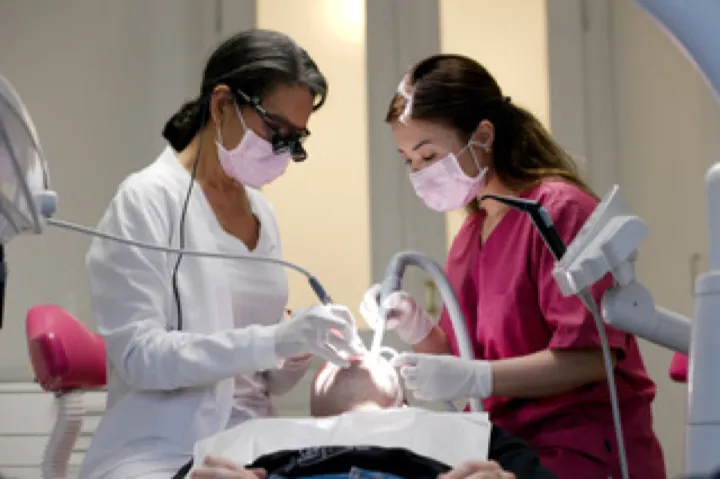

Digital panoramic imaging maps each root and the nerve canal before we begin, so the extraction is precise and predictable.

Profound local anaesthesia keeps the procedure itself painless, with additional options available for anxious patients.
The extraction itself is painless — the area is fully numbed with local anaesthesia. Afterwards you can expect some swelling and soreness for two to three days, which is well controlled with the pain relief we prescribe.
Most patients return to work or school after two to three days. Swelling peaks on the second day and settles within about a week, while the socket continues to heal over the following weeks.
Often yes. Removing all four in a single visit means one recovery period instead of several. We advise you based on the position of your teeth and your own preference.
No. If they erupt in the right position, stay healthy and can be cleaned properly, we leave them in place and keep an eye on them at your regular check-ups.

Permanent tooth replacements using state-of-the-art implantology techniques.
Learn More